What Is The Most Common Non-woven Fabric
Mar 15, 2024
Polypropylene nonwoven fabric is the most prevalent type of nonwoven material utilized across various industries due to its extensive range of properties and applications.
1. Versatility in Applications
Polypropylene nonwoven fabric finds applications across a diverse array of industries, including healthcare, agriculture, automotive, construction, and packaging. Its versatility makes it indispensable in numerous products and processes.
2. Medical Sector
In the medical sector, polypropylene nonwoven fabric is extensively used in the production of surgical masks, gowns, caps, and shoe covers. Its lightweight nature and high barrier properties make it ideal for protecting against fluid penetration and airborne particles.
3. Hygiene Products
Polypropylene nonwoven fabric is a key component in hygiene products such as diapers, feminine hygiene products, and adult incontinence pads. Its soft texture, breathability, and absorbency make it comfortable for prolonged use while ensuring effective moisture management.
4. Agricultural Applications
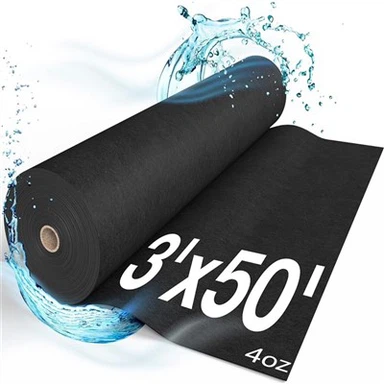
In agriculture, polypropylene nonwoven fabric is utilized for crop protection, weed control, and soil stabilization. Its water-repellent properties prevent excessive moisture retention, while its durability ensures long-term performance in outdoor environments.
5. Automotive Industry
Within the automotive industry, polypropylene nonwoven fabric is employed in interior components such as door panels, headliners, and trunk liners. Its ability to withstand high temperatures and resistance to chemicals make it well-suited for automotive applications.

6. Construction Materials
Polypropylene nonwoven fabric is utilized in construction as geotextiles for erosion control, drainage systems, and reinforcement of soil structures. Its high tensile strength and resistance to environmental factors contribute to its effectiveness in construction projects.
7. Packaging Solutions
In the packaging industry, polypropylene nonwoven fabric is used for various packaging solutions, including tote bags, gift wraps, and protective packaging. Its lightweight nature and ability to be easily customized make it an attractive option for packaging applications.
8. Environmental Considerations
Polypropylene nonwoven fabric can be manufactured from recycled materials, contributing to sustainability efforts in reducing waste and conserving resources. Additionally, its recyclability allows for the potential reuse of materials in future applications.
Conclusion
Polypropylene nonwoven fabric stands out as the most common nonwoven material due to its versatility, durability, and suitability for a wide range of applications across diverse industries. Its extensive use in medical, hygiene, agricultural, automotive, construction, and packaging sectors underscores its importance in modern manufacturing and everyday life.