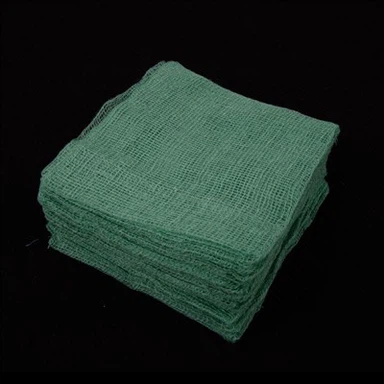
Is Non-woven Material Recyclable
Mar 29, 2024
Non-woven materials can indeed be recyclable, but the recyclability depends on various factors, including the type of non-woven material, its composition, and the recycling infrastructure available in a particular area.
Non-woven materials are commonly made from synthetic fibers like polypropylene, polyester, or nylon. While these materials offer durability and versatility, they pose challenges for traditional mechanical recycling methods due to their complex composition and lack of inherent recyclability.
However, advancements in technology have led to the development of recyclable non-woven materials and innovative recycling processes tailored to handle them. These recyclable non-woven materials are engineered to be more compatible with recycling systems, facilitating their conversion into new products or materials.
Chemical recycling processes have emerged as a viable solution for recycling certain types of non-woven materials. These processes involve breaking down the synthetic fibers into their chemical components, which can then be used to manufacture new materials without compromising quality or performance.
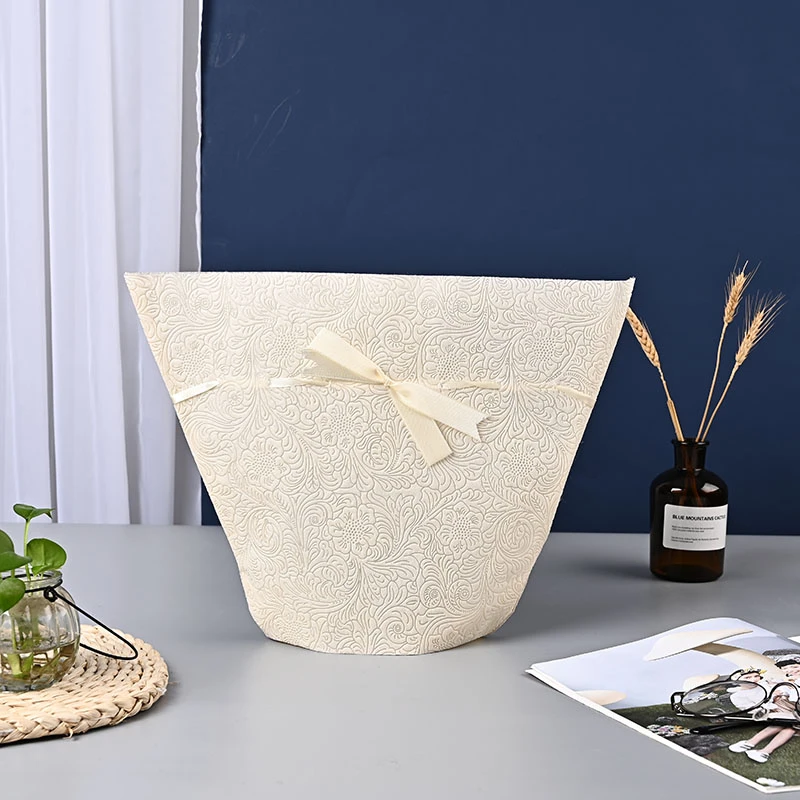
Additionally, some non-woven materials can undergo upcycling, where they are transformed into higher-value products instead of being recycled into similar materials. For example, recycled non-woven materials may be repurposed into insulation, automotive components, or even furniture upholstery.
To ensure the recyclability of non-woven materials, it's essential to consider factors such as product design, material composition, and end-of-life management. Designing non-woven products with recyclability in mind, using recyclable materials, and providing clear recycling instructions can help facilitate the recycling process.
Local recycling facilities play a crucial role in determining the recyclability of non-woven materials. It's essential to check with these facilities to understand their capabilities, guidelines, and requirements for recycling non-woven materials effectively.
Ultimately, supporting the development and adoption of recyclable non-woven materials, investing in innovative recycling technologies, and promoting sustainable consumption practices can contribute to a more circular economy and reduce the environmental impact of non-woven materials.