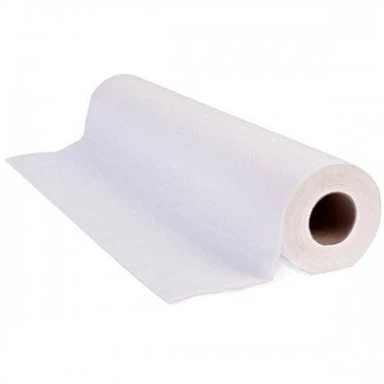
Is Non-woven Fabric Plastic Or Not
Jun 18, 2024
Composition and characteristics of non-woven fabrics
Non-woven fabrics, as a non-woven material, are made by bonding various fibers, which can be natural or synthetic. The characteristics of non-woven fabrics include durability, flexibility, and cost-effectiveness, which makes them widely used in multiple fields.
Composition of non-woven fabrics
Natural fibers: Non-woven fabrics can be made from natural materials such as cotton, wool, or bamboo. These natural fibers give non-woven fabrics biodegradable and environmentally friendly properties.
Synthetic fibers: Non-woven fabrics can also be made from synthetic materials such as polyester, polypropylene, or nylon. These synthetic fibers are usually derivatives of plastics, which make non-woven fabrics have similar properties to plastics in certain situations, such as waterproofness and strength.
Blended fibers: In addition, non-woven fabrics can also be made from a mixture of natural and synthetic fibers. This mixture can balance cost and performance to meet different application requirements.
Types of non-woven fabrics

Natural fiber non-woven fabrics: mainly made of natural fibers, emphasizing environmental protection and biodegradability.
Synthetic fiber non-woven fabrics: composed of synthetic fibers made from plastic derivatives, with properties such as waterproofness and high strength.
Hybrid nonwovens: Combining the advantages of natural and synthetic fibers, suitable for a variety of applications.
Nonwovens themselves are not pure plastics, but when synthetic fibers are used, they may contain plastic components. Therefore, when selecting and using nonwovens, it is necessary to understand their composition and characteristics to ensure that they meet specific application requirements and environmental standards.