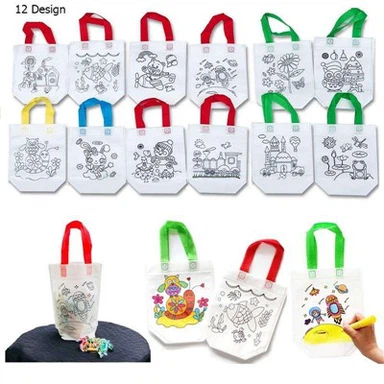
Is Non-woven Fabric Eco Friendly
May 27, 2024
Non-woven fabric's eco-friendliness depends on several factors, including the materials used and how it is manufactured and disposed of. Here's a detailed look at its environmental impact:
Materials Used
Synthetic Non-Woven Fabrics:
Polypropylene (PP): Common in single-use products like masks and shopping bags. Polypropylene is not biodegradable but can be recycled. However, the recycling process is not always efficient or widely practiced.
Polyester (PET): Used in various applications, including clothing and hygiene products. Polyester is also non-biodegradable and can contribute to microplastic pollution if not properly managed.
Natural Non-Woven Fabrics:
Cotton, Hemp, Bamboo: These are biodegradable and renewable, making them more eco-friendly. However, the cultivation and processing of natural fibers can have significant environmental impacts, such as water usage and pesticide application.
Manufacturing Process
The environmental impact of non-woven fabric production varies:
Energy Consumption: The production process for synthetic non-woven fabrics often requires less energy compared to traditional weaving or knitting, which can be a positive factor.
Chemical Use: The use of chemicals in the production of non-woven fabrics can result in pollution if not properly managed. For instance, the production of synthetic fibers involves petrochemicals, which are derived from fossil fuels.

Usage and Disposal
Single-Use vs. Reusable: Single-use non-woven products, such as medical masks and disposable bags, contribute to waste and pollution. Reusable non-woven products, particularly those made from natural fibers, can be more environmentally friendly if they are used multiple times before disposal.
Biodegradability: Natural non-woven fabrics biodegrade more easily than synthetic ones. However, even biodegradable fabrics can end up in landfills where they decompose anaerobically, producing methane, a potent greenhouse gas.
Recycling: Non-woven fabrics can be recycled, but the process is often complex and not widely implemented. Synthetic non-wovens can be particularly challenging to recycle due to the diversity of materials used.
Conclusion
Non-woven fabrics can be eco-friendly, especially when made from natural, biodegradable materials and used sustainably. However, synthetic non-woven fabrics, particularly when used in single-use applications, can pose significant environmental challenges. The key to improving their eco-friendliness lies in better recycling practices, reducing single-use products, and choosing more sustainable materials and manufacturing processes.