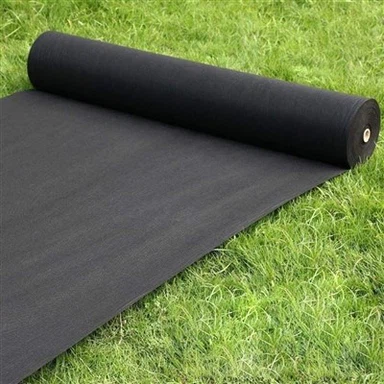
How To Paste Non Woven Wallpaper
Jan 05, 2024
Applying non-woven wallpaper can be a straightforward process if you follow the right steps. Non-woven wallpaper is a popular choice because it's easy to work with and doesn't require soaking before application. Here's a general guide on how to paste non-woven wallpaper:
Materials Needed:
Non-woven wallpaper
Wallpaper adhesive (paste)
Measuring tape
Utility knife or wallpaper cutter
Wallpaper smoother or a soft brush
Wallpaper seam roller
Sponge or damp cloth
Drop cloth or plastic sheeting
Ladder or step stool


Step-by-Step Guide:
1. Prepare the Surface
Ensure that the wall surface is clean, smooth, and dry. Remove any existing wallpaper, loose paint, or debris. Repair any imperfections in the wall, such as cracks or holes, and sand the surface if needed.
If the wall has been recently painted, allow it to fully dry before applying the wallpaper.
2. Measure and Cut:
Measure the height of the wall and cut the wallpaper strips accordingly, leaving a few extra inches at the top and bottom for adjustments.
Use a straight edge and a utility knife or wallpaper cutter to make precise cuts.
3. Apply Wallpaper Paste:
Read and follow the manufacturer's instructions on the wallpaper adhesive/paste. Apply an even coat of wallpaper adhesive to the back of the wallpaper using a paint roller or a brush. Make sure to cover the entire surface.
4. Book and Relax:
Fold the pasted wallpaper onto itself (booking) without creasing it and let it sit for the recommended "booking" time specified by the adhesive manufacturer. This allows the adhesive to activate.
5. Hang the Wallpaper:
Unfold the top portion of the wallpaper and align it with a plumb line or a straight edge on the wall. Smooth it out with a wallpaper smoother or a soft brush to remove air bubbles.

6. Smooth Out Air Bubbles:
Work from the center to the edges, smoothing out any air bubbles or wrinkles. Use a wallpaper smoother or a soft brush for this.
7. Trim Excess:
Use a utility knife or wallpaper cutter to trim the excess wallpaper at the top and bottom. Be careful not to damage the wallpaper or the wall.
8. Repeat the Process:
Repeat the process for the remaining strips, ensuring that the patterns match and the seams are aligned correctly.
9. Seam Rolling:
After the wallpaper is applied, use a wallpaper seam roller to ensure that the seams are well-adhered and flat.
10. Clean Excess Adhesive:
Wipe off any excess adhesive with a damp sponge or cloth. Remember to refer to the specific instructions provided by the non-woven wallpaper and adhesive manufacturers for the best results. If you encounter any challenges, consult with a professional or the manufacturer for guidance.