


How Can You Tell If A Fabric Is Non-woven
May 21, 2024
1. Absence of Weaving or Knitting Patterns
Non-woven fabrics are not made by weaving or knitting. Instead, they are produced through other methods like bonding fibers together through chemical, mechanical, heat, or solvent processes. If you cannot see any interlacing of yarns or threads, the fabric is likely non-woven.
2. Uniform Surface Texture
Non-woven fabrics generally have a more uniform surface texture compared to woven or knitted fabrics. This uniformity results from the random orientation of fibers.
3. Testing for Fray Resistance
Non-woven fabrics do not fray or unravel at the edges as woven or knitted fabrics do. Cut a small piece of the fabric and observe the edges. If the edges do not fray, it is a strong indication that the fabric is non-woven.
4. Flexibility and Pliability
Non-woven fabrics can be more flexible and pliable than woven or knitted fabrics because they do not have the structured interlocking of threads. They can feel more like paper or felt.
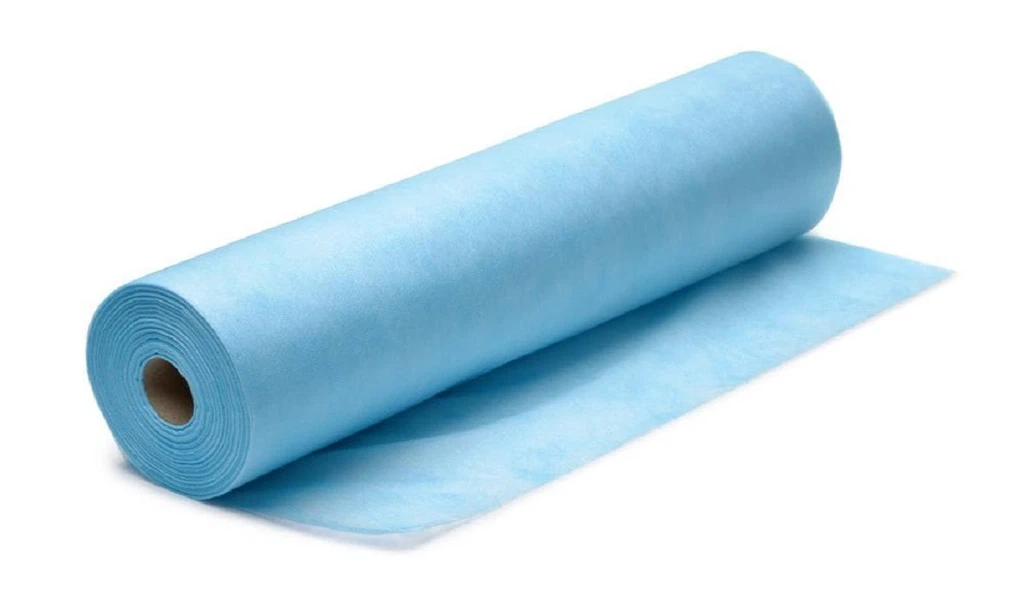
5. Thickness and Density
Non-woven fabrics can vary widely in thickness and density. They can be as thin as tissue paper or as thick as felt. The even distribution of fibers gives a consistent density throughout the material.
6. Look for Specific Non-Woven Fabric Uses
Non-woven fabrics are commonly used in disposable products like medical masks, filters, diapers, and wipes. If the fabric is designed for these purposes, it is likely non-woven.
7. Tear Test
Non-woven fabrics often have different tearing properties. They can tear more easily in one direction than another due to the random alignment of fibers. Try tearing the fabric; if it tears inconsistently or has a different texture along the tear, it might be non-woven.
8. Identify by Industry Standards
Some non-woven fabrics come with labels or certifications indicating their type. For example, materials used in medical or industrial applications often have documentation specifying that they are non-woven.


