Does PLA Biodegrade in Soil?
Oct 06, 2023
PLA (polylactic acid) is a biodegradable polymer that is derived from renewable resources such as corn starch or sugarcane. It is becoming a popular alternative to traditional petroleum-based plastics due to its biodegradable nature and eco-friendliness. However, the question remains: does PLA biodegrade in soil?
The answer is yes, PLA does biodegrade in soil. When PLA is exposed to the right conditions, it can break down into carbon dioxide, water, and organic matter. The rate at which PLA biodegrades in soil depends on several factors, such as the soil type, temperature, moisture level, and microbial activity.
Studies have shown that PLA can biodegrade in soil within 47-90 days under optimal conditions. In one study, PLA films buried in sandy soil at 25-30°C with a moisture content of 50-80% degraded by 65% within 60 days. In another study, PLA granules buried in clay soil at a temperature of 20-30°C and a moisture content of 30-60% degraded by 46% within 100 days.
It is important to note that not all soil types are suitable for the biodegradation of PLA. For example, acidic soil with a low pH can slow down the biodegradation process. Soil with a low microbial population can also hinder the biodegradation of PLA.
In addition, it is important to properly dispose of PLA products to ensure they have the best chance of biodegrading in soil. PLA products should be composted in a commercial composting facility that has the right equipment and conditions to promote rapid biodegradation.
In conclusion, PLA is a biodegradable polymer that can breakdown in soil under optimal conditions. However, it is important to consider the type of soil and disposal method when using PLA products. By utilizing PLA and properly disposing of it, we can contribute to a more sustainable future.
PLA Non-woven fabric in life
Non-woven fabrics are a common material in our lives and are widely used in a variety of life products. According to the application requirements, non-woven fabrics can be divided into two categories: durable and disposable application. Durable non-woven fabrics can be used many times, has a certain service life, and has a wide range of applications in clothing, home improvement, agriculture, industry and other fields. For example, many of the environmentally friendly bags that have been popular in recent years are made of non-woven fabrics.
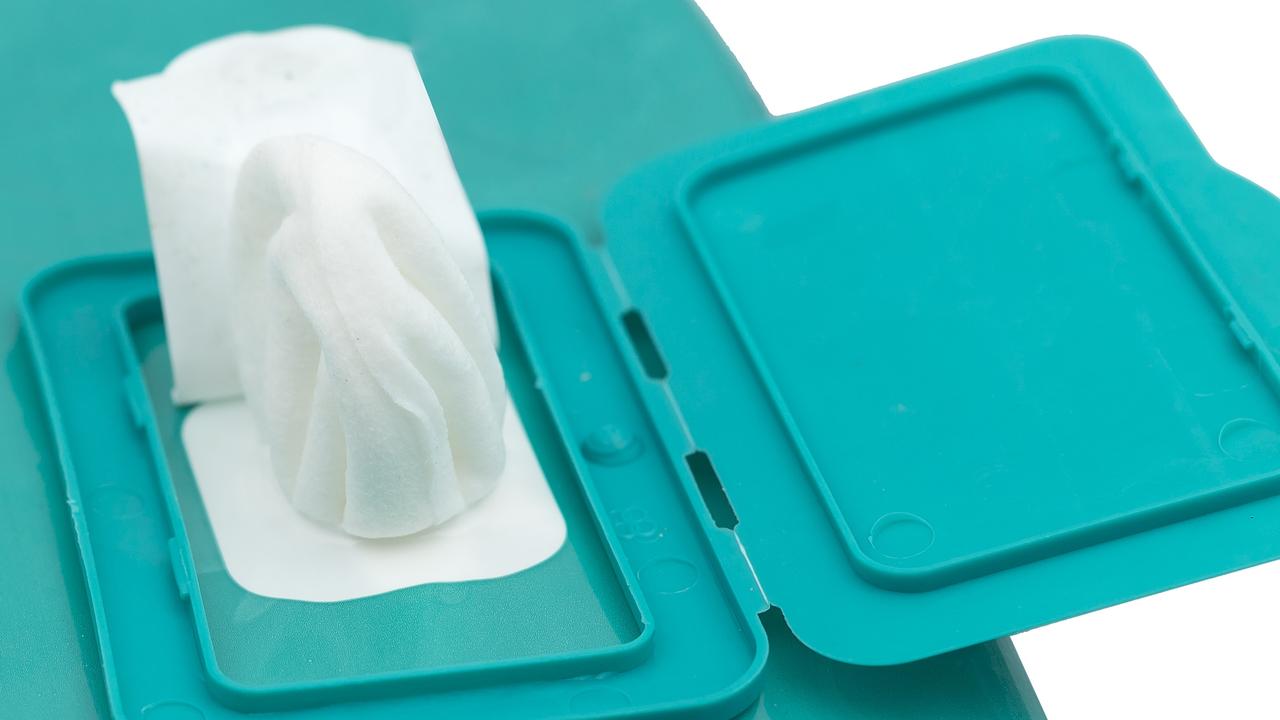
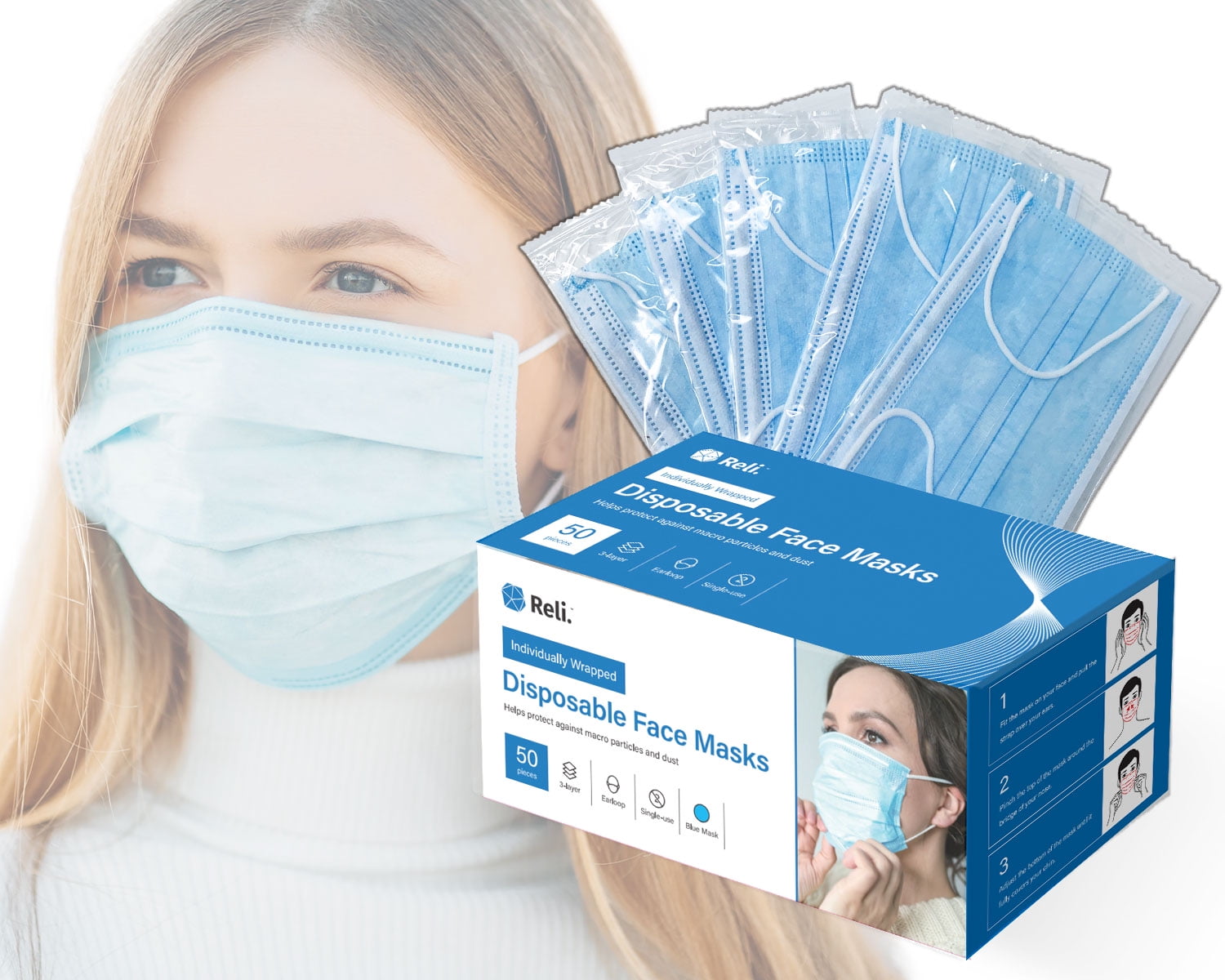
Disposable application non-woven fabrics are also very common, cleaning wipes, masks necessary for everyone during the epidemic, tea bags for tea bags, diapers for babies...