Comprehensive Comparison: Non-woven Vs Woven
Dec 13, 2023
Before we dive into the pros, let's clarify the fundamental differences between nonwoven and woven landscape fabrics.
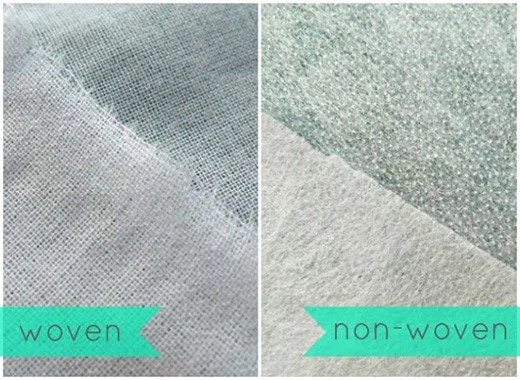
Woven fabric: Interlacing threads create a tight grid-like pattern. It is permeable but has poor breathability. Durable, but may be less forgiving in some applications.
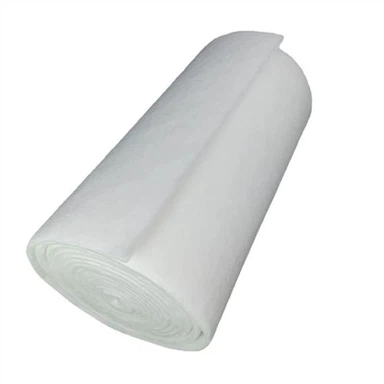
Nonwoven: Made up of fibers pressed together without being woven. Typically more breathable, providing versatility in a variety of landscaping applications.
Advantages of Non-Woven Landscape Fabric
Excellent Breathability:
The non-woven fabric takes the lead in breathability, allowing for optimal air circulation. Reduced risk of trapped moisture, promoting healthier soil and plants.
Ease of Installation:
Non-woven fabric is often easier to install due to its flexible nature. Ideal for quick and hassle-free landscaping projects, saving you time and effort.
Versatility in Size:
Available in a range of sizes, non-woven fabric provides flexibility for diverse landscaping needs. Tailor the fabric to fit anything from small flower beds to expansive garden areas.
Multifaceted Applications:
Beyond weed control, non-woven fabric excels in various landscaping applications. Effective in erosion control, soil stabilization, and other horticultural endeavors.
Cost-Effective Solution:
Non-woven fabric often proves to be a cost-effective choice, providing value for your investment. Balances durability and affordability, making it an attractive option for budget-conscious landscapers.

Applications
Clothing and Textiles:
Non-Woven Fabric: Common in disposable items like masks, wipes, and medical garments.
Woven Fabric: Dominates the fashion industry, used in clothing and various textile products.
Construction Materials:
Non-Woven Fabric: Utilized in construction for insulation, roofing membranes, and geotextiles.
Woven Fabric: Found in traditional construction materials like canvas and tarps.
Environmental Impact:
Biodegradability:
Non-Woven Fabric: Can be biodegradable, contributing to eco-friendly applications.
Woven Fabric: Biodegradability varies, with natural fibers being more environmentally friendly.
Durability and Strength:
Strength Characteristics:
Non-Woven Fabric: Offers strength in different directions, depending on its manufacturing process.
Woven Fabric: Exhibits strength along the grain and is often more resistant to tearing.
Cost-Effectiveness:
Affordability:
Non-Woven Fabric: Generally more cost-effective due to simplified manufacturing processes.
Woven Fabric: This can be costlier, especially when utilizing high-quality natural or synthetic fibers.
Customization and Design:
Flexibility in Design:
Non-Woven Fabric: Allows for creative design flexibility in various applications.
Woven Fabric: Offers intricate patterns and textures, ideal for design-centric uses.
Choosing the Right Fabric for the Right Purpose
In the expansive landscape of textiles, the choice between non-woven and woven fabric depends on the specific requirements of your application. From disposable medical products to fashionable garments, and construction materials to landscaping solutions, each fabric type brings unique advantages to the table. Consider the distinctive characteristics of non-woven and woven fabric as you navigate the diverse array of industries and applications. Tailor your choice to suit the demands of your project, ensuring optimal performance and efficiency in every textile endeavor.