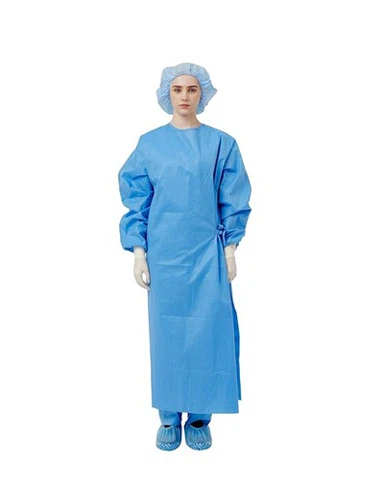
What fabrics do not biodegrade easily
May 30, 2024
Fabrics that do not biodegrade easily are typically synthetic materials derived from petrochemicals. These fabrics are designed for durability, strength, and resistance to environmental factors, making them slow to break down in natural environments. Here are some common non-biodegradable fabrics:
Polyester: Made from polyethylene terephthalate (PET), polyester is highly durable and resistant to many environmental factors, making it slow to decompose.
Nylon: Another synthetic polymer, nylon is used for its strength and elasticity. It is resistant to abrasion and chemicals, contributing to its slow biodegradation.

Acrylic: Used as a wool substitute, acrylic fibers are derived from polyacrylonitrile, making them resistant to degradation.
Spandex (Lycra or Elastane): Known for its exceptional elasticity, spandex is a polyurethane-based fabric that does not break down easily.
Polypropylene: Often used in performance wear and industrial applications, polypropylene is durable and resistant to many chemical and physical degradations.
Polyurethane: Used in various forms, including fabric coatings and synthetic leather, polyurethane is slow to biodegrade.
These fabrics can remain in the environment for years, contributing to plastic pollution. Sustainable alternatives often focus on natural fibers such as cotton, wool, silk, and linen, which break down more easily under natural conditions, while non-woven fabrics are more convenient.