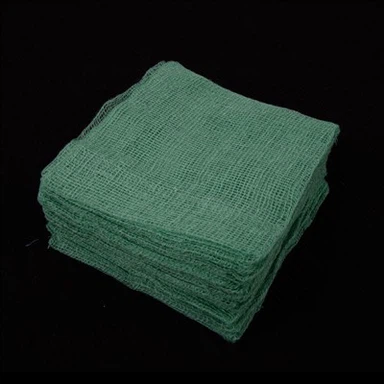
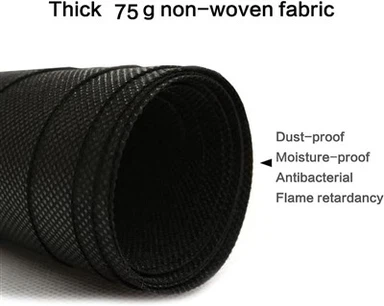
What Are Biodegradable Non-woven Grow Nursery Bags?
Apr 25, 2025
Material Composition: What Makes Them Biodegradable?
These grow bags are typically made from biodegradable non-woven fabric, such as:
PLA (Polylactic Acid) – Derived from corn starch, fully compostable
Modified Polypropylene (PP) – With biodegradable additives
Natural fibers – Like jute, bamboo, or cellulose-based materials
The non-woven fabric is produced through thermal bonding or chemical treatment, resulting in a breathable, flexible, and lightweight structure suitable for root development.
Key Advantages of Biodegradable Non-woven Nursery Bags
Eco-friendly and Sustainable
These grow bags degrade into harmless compounds over time, helping reduce plastic pollution and meet global sustainability goals.
Enhanced Root Aeration
The breathable structure of non-woven fabric allows for better oxygen flow and drainage, promoting air pruning and preventing root rot.
Zero Transplant Shock
Plants can be transplanted directly into the soil with the bag, minimizing root disturbance and improving survival rates.
Time and Labor Saving
Growers eliminate the need for de-potting, washing, or reusing plastic pots-making it ideal for high-volume nurseries and tree planting projects.
Industry Applications
Biodegradable non-woven grow nursery bags are widely used in:
🌿 Tree nurseries – For saplings, fruit trees, and forestry projects
🌱 Vegetable farming – For tomato, pepper, cucumber, and leafy greens
🌼 Floriculture – For ornamental plants, flowers, and landscaping
🏡 Home gardening – For herbs, succulents, and small garden spaces
🌍 Reforestation programs – Eco-safe and field-planting friendly
Global Market Trends
The demand for biodegradable planting solutions is rising due to:
🌱 Sustainable agriculture initiatives
🌍 Plastic ban policies and ESG compliance
🏙️ Urban gardening and rooftop farming growth
🌾 Increased organic and eco-labeled farming practices
As the horticulture industry embraces green innovations, non-woven nursery grow bags are becoming a key product segment in Asia, Europe, and North America
Comparison with Traditional Planting Containers
| Feature | Biodegradable Non-woven Bags | Plastic Pots |
|---|---|---|
| Biodegradable | ✅ Yes | ❌ No |
| Breathability | ✅ High | ❌ Low |
| Transplant-friendly | ✅ Yes | ❌ Requires removal |
| Cost-effectiveness | ✅ Lower long-term cost | ❌ Higher reusability cost |
| Eco-compliance | ✅ Fully compostable | ❌ Non-renewable |
Biodegradahttp://www.biononwoven.com/agricultural/plant-bag/biodegradable-non-woven-grow-nursery-bags.htmlble non-woven grow nursery bags represent a pivotal shift in how we grow, transport, and plant seedlings. With their sustainable composition, plant health benefits, and ease of use, they are quickly becoming an industry standard for eco-conscious growers around the world.
Whether you're running a commercial nursery or starting a green garden at home, these eco-friendly non-woven planting bags offer a smart, soil-safe, and sustainable solution.
🌿 Choose biodegradable. Grow responsibly.