Is geotextile the same as landscape fabric
Jun 13, 2024
Geotextiles and landscape fabrics are often referred to interchangeably in horticultural and architectural settings, but each has unique characteristics and uses.
Geotextiles are primarily used in civil engineering and construction projects, and their functions include soil separation, filtration, reinforcement, protection, and drainage. Geotextiles are divided into two categories: woven and non-woven. Woven geotextiles are made from high-strength synthetic fibers and are often used in road construction, embankments, and erosion control due to their excellent strength and durability. Non-woven geotextiles are made from bonded synthetic fibers and have excellent filtration and drainage properties, so they are often used in soil stabilization, drainage systems, and erosion control projects.
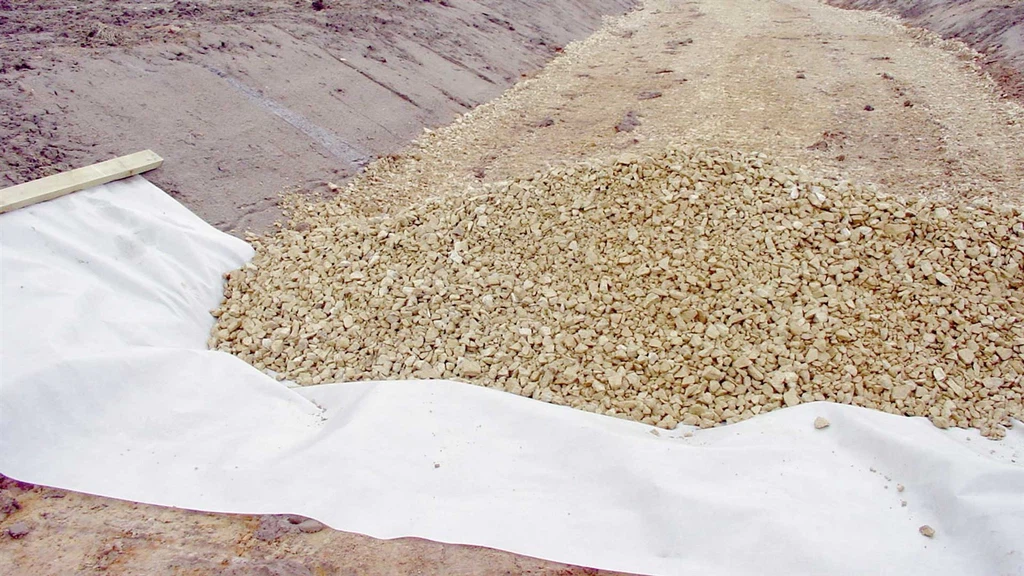
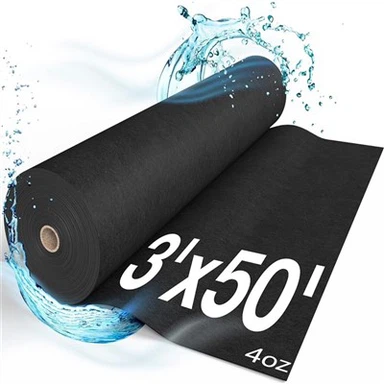
Landscape fabrics are primarily used in horticultural and landscaping fields, and their functions include weed control, soil stabilization, and moisture retention. Compared to geotextiles, landscape fabrics are usually lighter and less strong, and are mostly non-woven or woven, but are designed to allow water and nutrients to pass through while effectively blocking weed growth.
The main differences between the two are their strength, durability, and application functions. Geotextiles are more suitable for heavy-duty applications in construction due to their high tensile strength and durability, while landscape fabrics are more suitable for less demanding applications in gardening and landscaping due to their lightness and specific functional design. In addition, from the perspective of materials and manufacturing, geotextiles are usually made of high-strength synthetic fibers, while landscape fabrics may use lighter materials.
In summary, although geotextiles and landscape fabrics both play an important role in soil and water management, there are significant differences in their design and application areas. Geotextiles focus more on high-performance needs in construction and civil engineering, while landscape fabrics serve more in the fields of gardening and landscaping.