How to use non woven wax strips
Jan 02, 2024
Using non-woven wax strips for hair removal is a common and effective method. Here's a step-by-step guide on how to use them:
Materials needed:
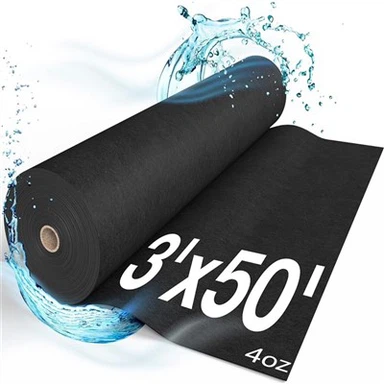
Non-woven wax strips
Wax (hot or cold wax, depending on your preference)
Wax warmer (if using hot wax)
Spatula or applicator (if not included with the wax)
Baby oil or post-waxing oil
Clean cloth or disposable wipes

Prepare the skin:
Start by ensuring your skin is clean and dry. If necessary, trim the hair to about 1/4 to 1/2 inch in length for optimal waxing.
Heat the wax (if using hot wax):
If you're using hot wax, follow the instructions on the product for heating. Typically, you'd use a wax warmer to melt the wax to the desired consistency.
Apply the wax:
Using a spatula or the applicator provided, apply a thin, even layer of wax onto the area you want to wax, following the direction of hair growth.
Place the non-woven strip:
Immediately after applying the wax, place a non-woven wax strip over the waxed area. Press it down firmly to ensure good adhesion.
Smooth and press:
Smooth the strip in the direction of hair growth to help the wax adhere to the hair. Press down on the strip to ensure it sticks well to the wax.


Hold the skin taut:
Hold the skin taut with one hand to create a firm surface for pulling the strip.
Remove the strip:
In one quick motion, pull the strip off in the opposite direction of hair growth (against the grain). Pull close to the skin and keep the strip parallel to the skin's surface for best results.
Repeat as necessary:
If there are remaining hairs, you can reapply wax to the same area and repeat the process.
Clean up:
After waxing, clean any residual wax off the skin using baby oil or a post-waxing oil. This helps soothe the skin and removes any sticky residue.
Post-wax care:
Apply a soothing lotion or aloe vera gel to calm the skin and reduce redness. Remember to read and follow the specific instructions provided by the wax strip and wax product you're using for the best results and to minimize the risk of irritation.